Mortex
A testament to nature
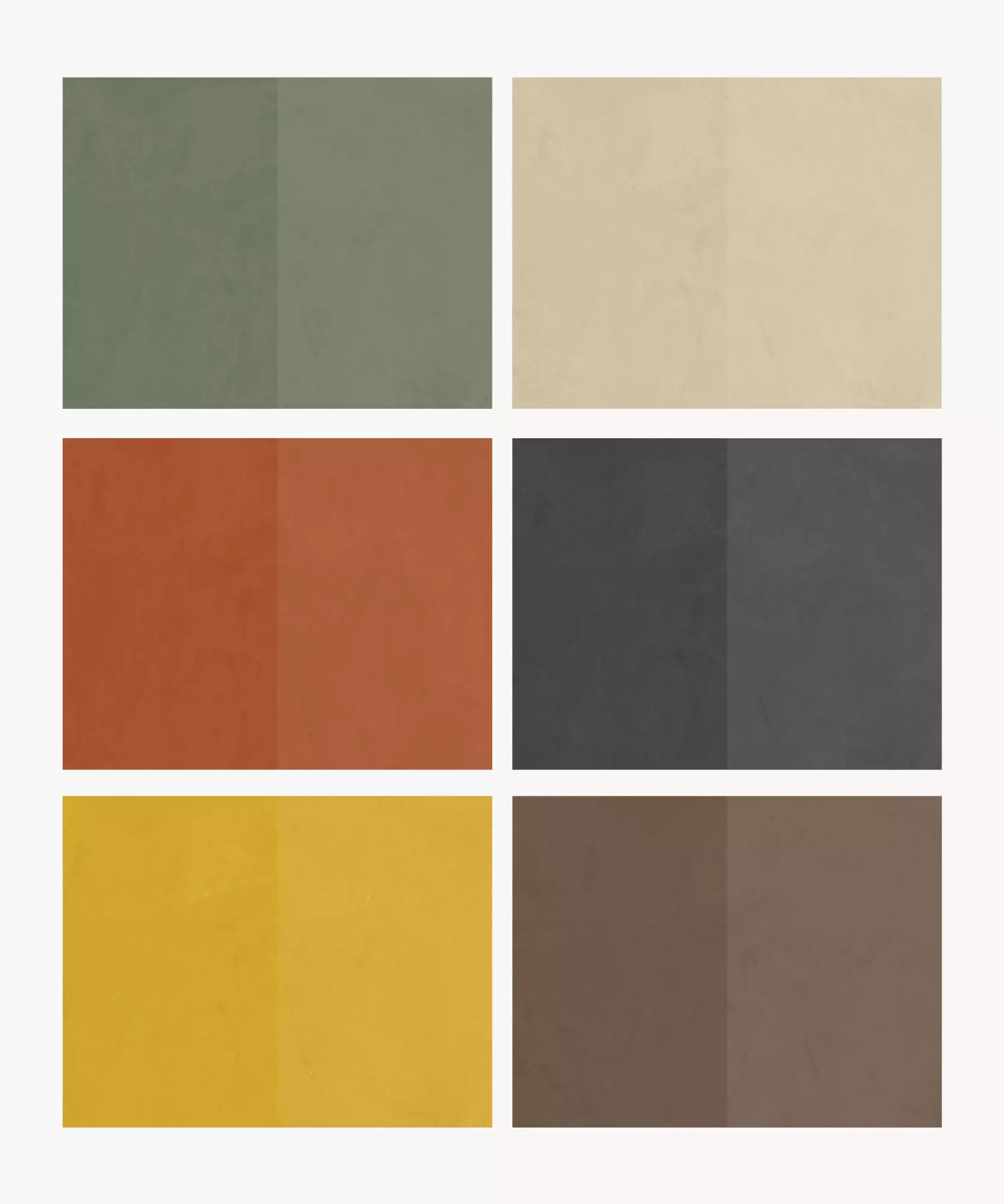
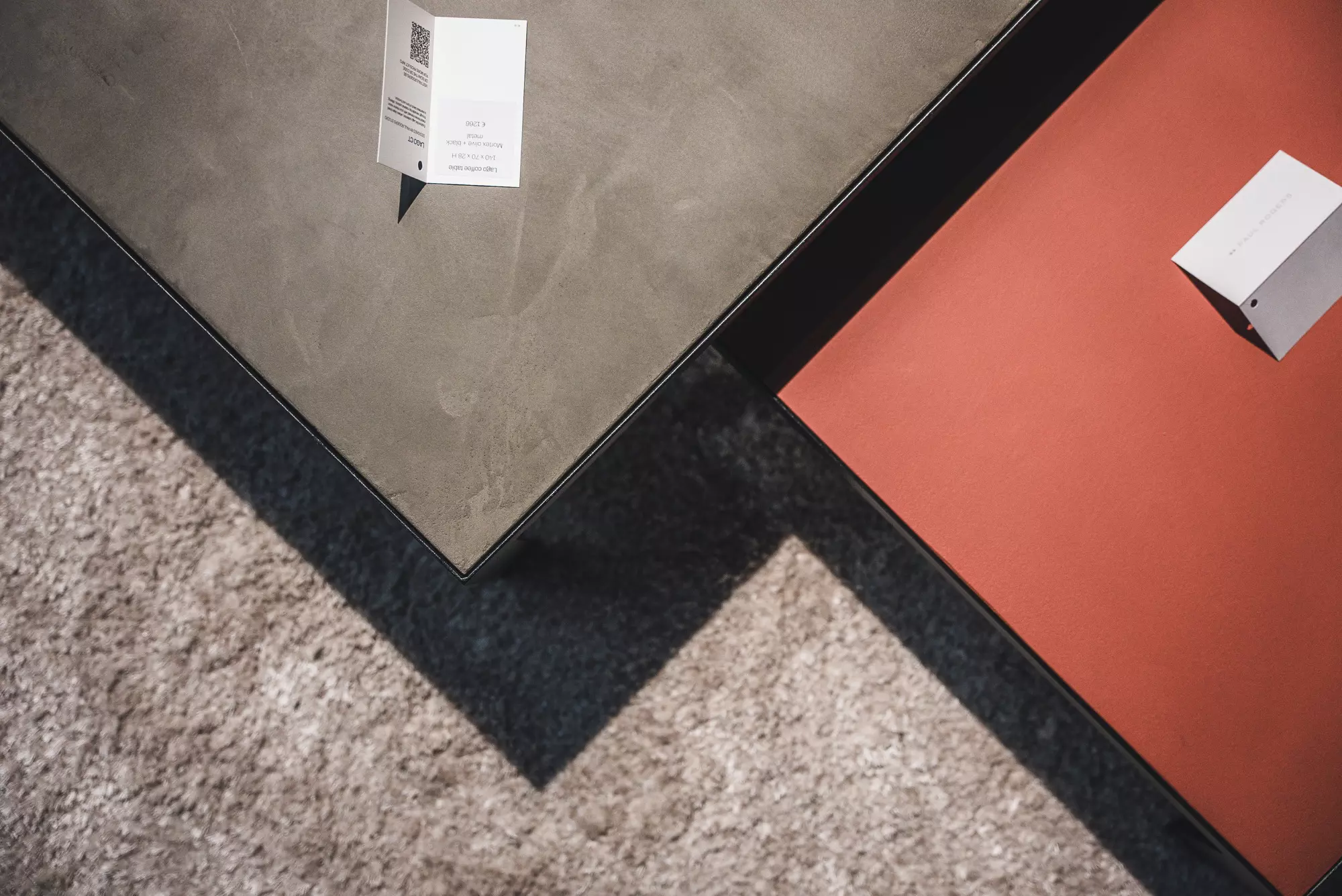
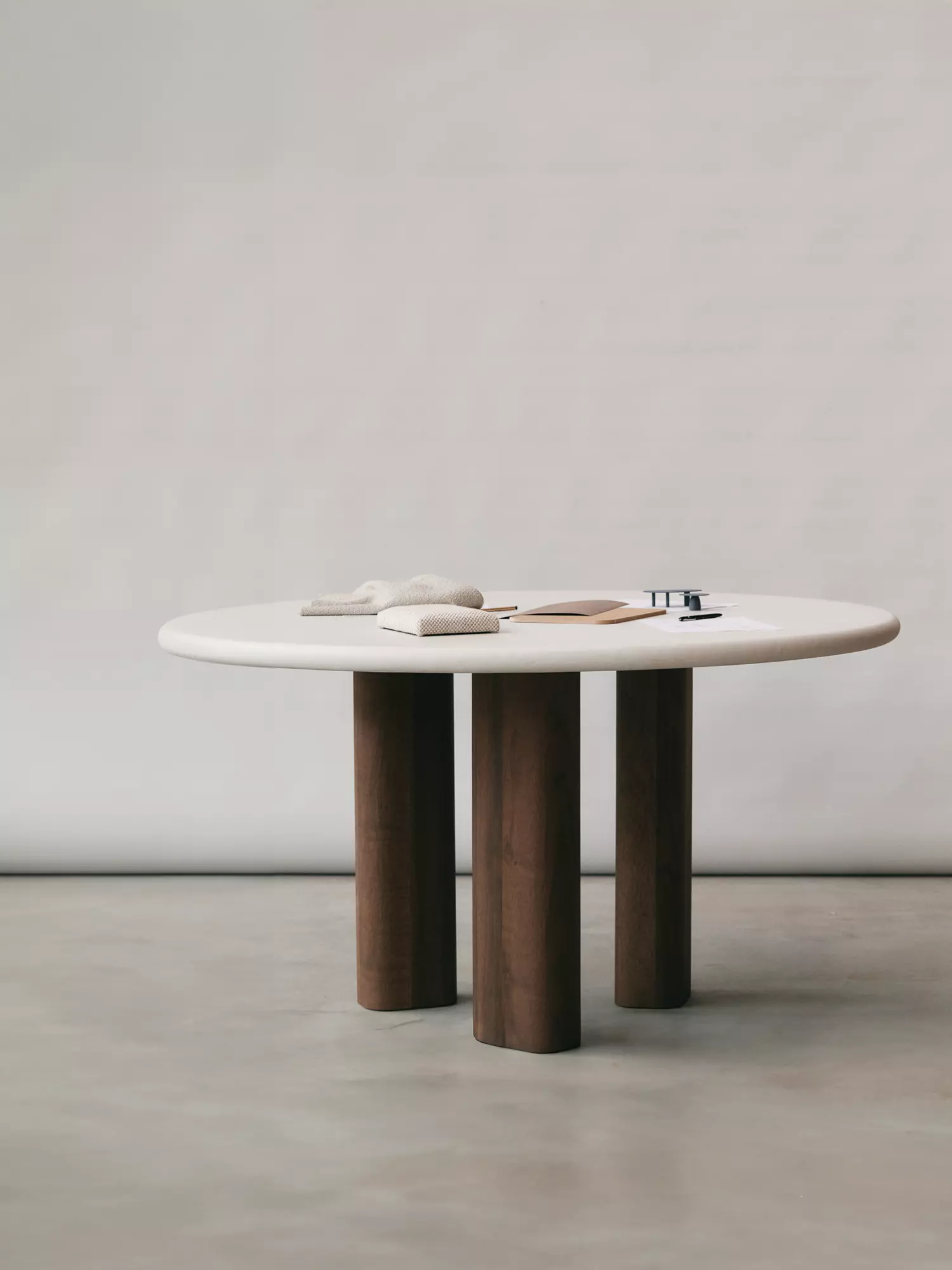
Mortex is a unique plaster technique crafted from a blend of minerals, lime, and mortar, celebrated for its artisanal, handcrafted application. Each piece is shaped by skilled hands, making every design truly one of a kind. This technique embraces imperfections as part of its charm, reflecting raw beauty and the unpredictability of the crafting process. No two surfaces are ever alike, with their individuality further enhanced by the way temperature influences the material’s color. The coating is manufactured in Belgium and is composed of 95% natural ingredients sourced in Europe.
Advantages
-
 Easy to clean
-
 Stain resistant
-
 Waterproof
Maintenance tips
Our tables are designed for easy upkeep, with protective layers that help repel most dirt. However, certain substances from daily use, such as coffee, wine, fruit juices, spices, lemon juice, and oils, should not be left on the surface for extended periods. Similarly, avoid leaving large amounts of water or wet objects on the table for too long. If not cleaned immediately, fats, dyes (such as those in wine or coffee), and other substances can penetrate the protective layers and cause stains. Extra caution is needed with highly pigmented foods like turmeric, beetroot, and flower pollen (especially from lilies), as these can leave stubborn marks. Always clean spills promptly using water, a cleaning agent, and a soft sponge—never the abrasive side, as this may scratch the surface. To preserve the table’s appearance and durability, do not place candles directly on the surface; always use a holder or tray. Additionally, avoid placing hot pots or pans directly on the table to prevent thermal shock. The table should never be used as a cutting surface, and sharp or heavy objects should be handled with care to prevent damage.
Common imperfections
Uncolored Minerals
Mortex is a natural composition of lime, mortar, pigments and minerals. Within this mixture, there are occasionally minerals that do not absorb the colored pigments during the process. These minerals remain white and may appear as small dots on the surface of your product.
While not many minerals behave this way, it can happen. These white spots are not a defect but a natural imperfection that reflects the authentic character of the material. They are part of what makes each piece unique.
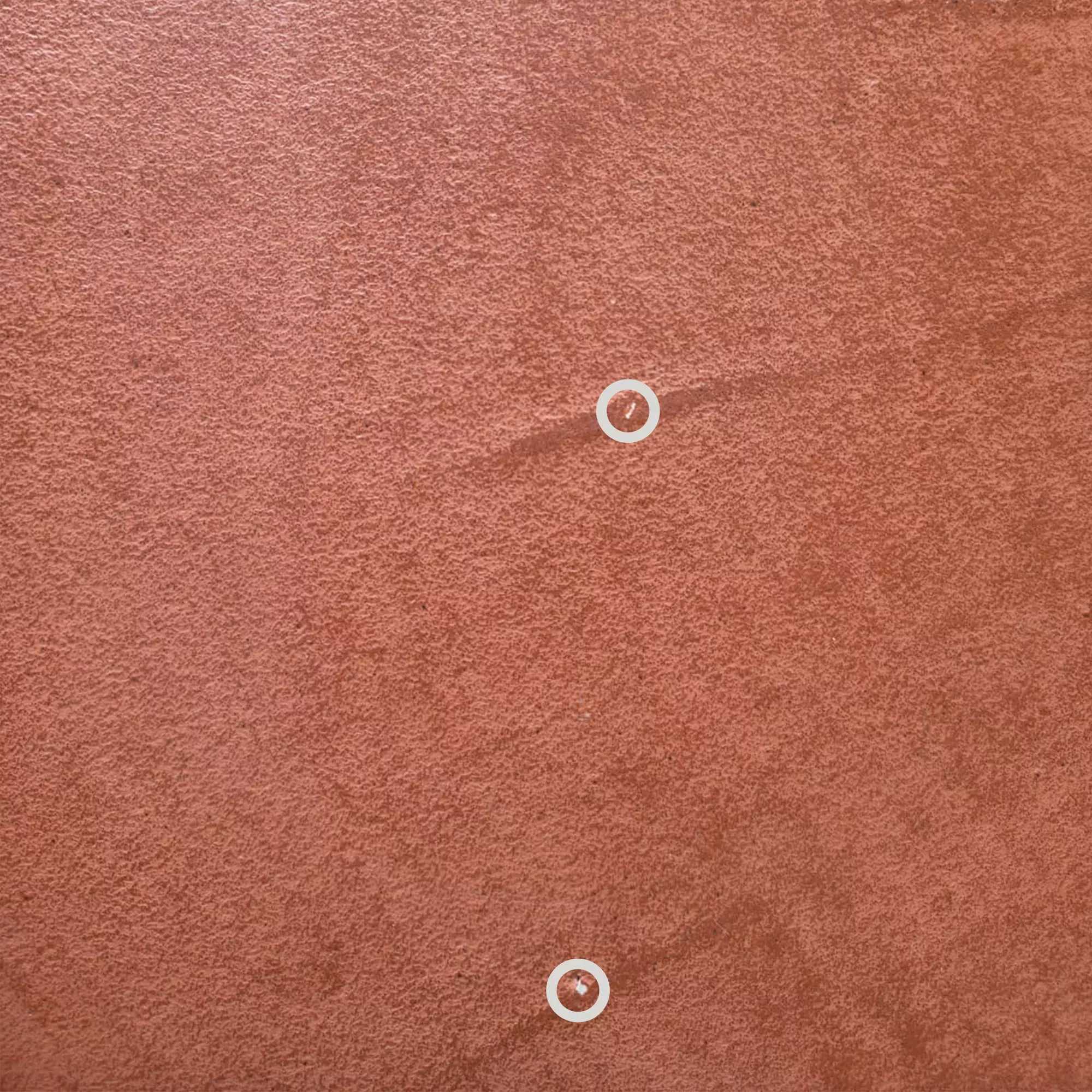
Visible Strokes & Tracks
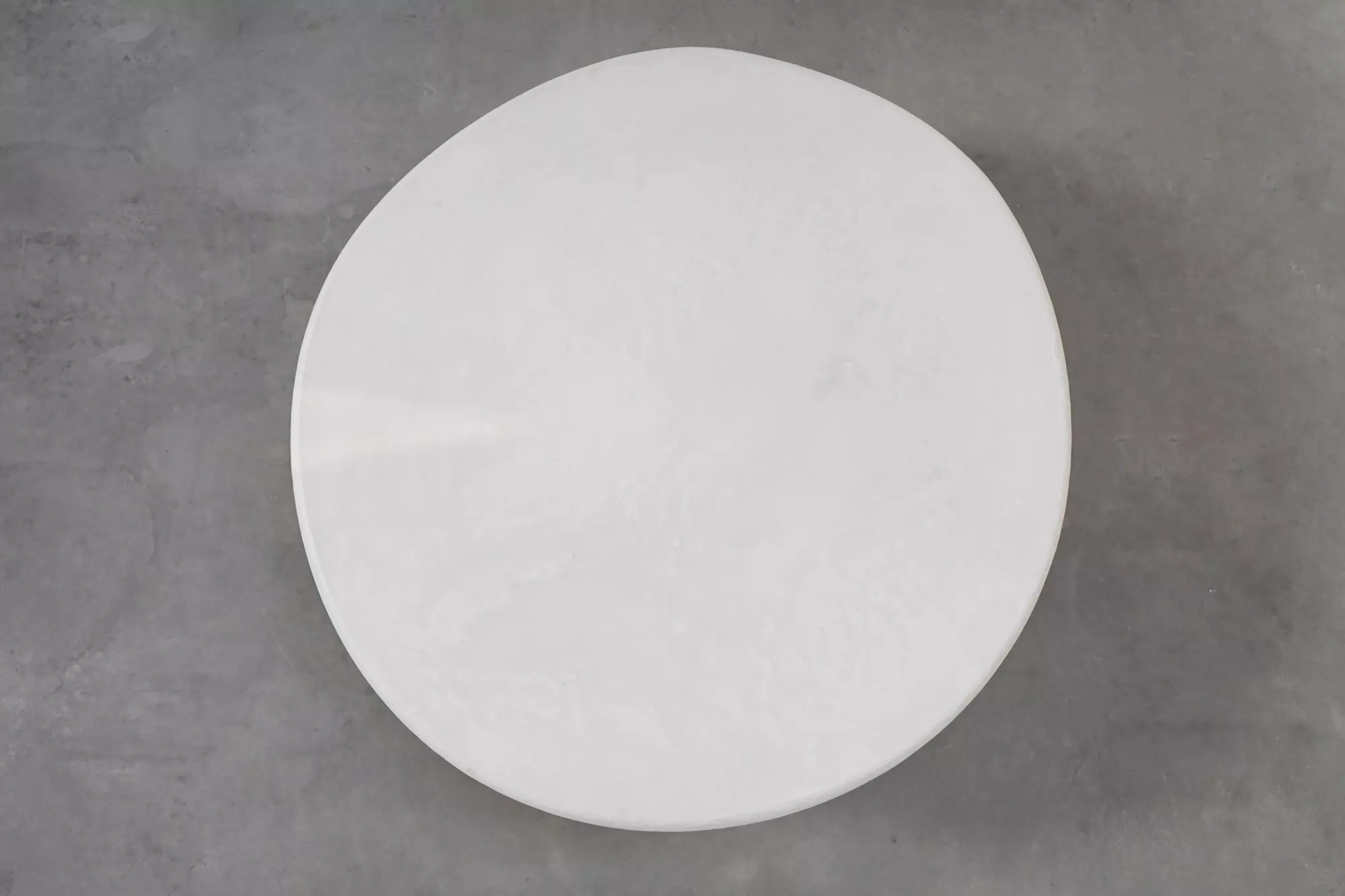
Mortex is applied using an artisanal hand technique. With a plaster trowel, the material is carefully spread across the surface of the table. As it dries, the movements of the trowel remain visible, creating characteristic strokes or tracks.
These marks are not defects—they are an integral part of the craftsmanship that makes each table unique. Because every piece is made by hand, no two surfaces will ever look the same.
The visibility of these patterns also depends on the chosen color. For example, with the shade Salt, the strokes often stand out more clearly and may show fine grey lines. In other tones, they may appear more subtle.
This variation is a natural expression of both the Mortex material and the artisanal technique behind it.
Edge Finishing
The edges of our tables are finished entirely by hand, just like the tabletop itself. Because this is an artisanal process, the edges may show slight irregularities or variations.
These small imperfections are not flaws but a natural result of the craftsmanship and the Mortex technique. They highlight the individuality of each piece and contribute to the authentic character that only a handmade product can offer.

Color variations
Mortex is a handcrafted, mineral-based finishing that is applied entirely by hand. Because it’s worked in layers and shaped with trowels and tools, the final appearance is influenced by the application technique, drying time, temperature, humidity, and the surface underneath.
That’s exactly what makes Mortex unique: subtle movement, depth, and a natural, lived-in character.
As with all handmade finishes, slight colour variations within the same chosen shade are normal and expected. You may notice gentle shifts in tone, texture, or pattern across a surface. These nuances are not a mistake or defect, but part of the material’s authentic, artisanal look—each application is truly one of a kind.